Table of Contents
Past, Present,Future
Your Impact
scroll down
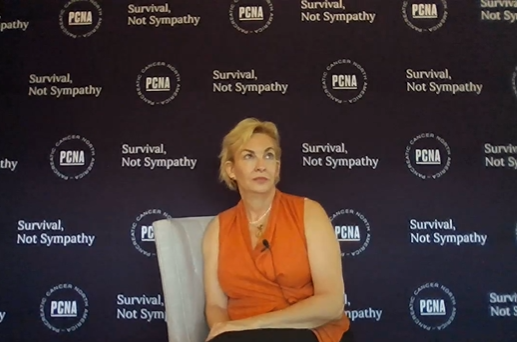

Addressing a disease as complex as pancreatic cancer requires unified, global action. With your support, Pancreatic Cancer North America continues to expand international partnerships and prioritize early detection initiatives, working tirelessly to ensure more patients are diagnosed when the disease is most treatable. This cancer is poised for transformation, and together, we will not let this moment pass.
Michelle Capobianco, President & CEO, PCNA
We are seeing unprecedented scientific breakthroughs, expanding precision medicine networks, and a long-overdue surge of urgency. Scientific breakthroughs are finally shifting the landscape of pancreatic cancer, but momentum alone is not enough; it must translate directly into survival. In the coming year, with your ongoing generosity, Pancreatic Cancer North America will remain laser-focused on three critical priorities: driving research in early detection, supporting patients in accessing cutting-edge therapies as soon as possible, and elevating pancreatic cancer's visibility on the global stage.
Jonathan Paul, Board Chair, PCNA










We’ve raised enough sympathy. It’s time to raise survival rates.
Pancreatic Cancer North America (PCNA) exists to transform pancreatic cancer from one of the world’s deadliest cancers into a disease that is detected earlier, treated more precisely, and ultimately survived.
Our Vision
To transform the world’s toughest cancer to a treatable and survivable disease.
Our Mission
To fundamentally change the way patients, caregivers and the community experience pancreatic cancer and redefine it from a death sentence to a survivable cancer.
Our Values


Our Strategic Pillars
With 5-year survival rates languishing near 10% for decades, standing by is simply unacceptable. We have set out to break the status quo through a coordinated, cross-border approach designed to move from incremental steps to radical impact.
Accelerate Research to Change Outcomes
Invest in early detection, AI technology, and high-impact partnerships, like our groundbreaking study with MD Anderson Cancer Center, supported by a forward-looking Venture Philanthropy strategy.
Deliver Expanded Quality Care and Support
Close critical healthcare gaps through precision medicine, early-onset and palliative care initiatives, integrated navigation support, and demystifying clinical trial access across Canada and the U.S.
Drive Awareness and Visibility
Disrupt decades of silence and apathy by sparking a bold international movement focused on early detection, urgency, and actionable progress.
Cancer doesn't respect borders, so neither should our solutions.
2026 marked our first year as Pancreatic Cancer North America, expanding our mission to transform pancreatic cancer from a death sentence into a survivable disease.

Q&A with Ayelet Borgida, Director, Medical & Health Initiatives, PCNA


Joining PCNA full-time in 2025 represented an important opportunity to contribute at a time of significant progress in the pancreatic cancer field. With more than 20 years of experience in pancreatic cancer at leading academic health centres, including Princess Margaret Cancer Centre and Mount Sinai Hospital in Toronto, I developed a deep understanding of the complexities of the disease and the needs of patients, families, clinicians, and researchers. This experience, combined with the progress being made in pancreatic cancer research and treatment, positioned me well to contribute to PCNA’s mission.
As Director of Medical and Health Initiatives, my focus is on helping translate the research landscape into meaningful impact for patients and our community. That means ensuring that patients and families have access to credible, understandable medical information and resources, while also strengthening connections with clinicians and researchers. Ultimately, I want PCNA to help close the gap between what we are learning through research and what patients experience in the clinic.
Pancreatic cancer often causes few or nonspecific symptoms early in its course, making it difficult to detect before the disease has progressed. Earlier diagnosis could give more patients the opportunity for potentially curative treatment and, ultimately, better outcomes.
There is encouraging progress in blood and imaging biomarkers, risk assessment, and strategies for identifying people who may be at higher risk. We are also learning more about the genetic and biological changes that occur as pancreatic cancer develops. . While we still don’t have a universally recommended screening test for the general population, early detection remains a major priority.
I’m excited to see the momentum and shared approaches to pancreatic cancer research, treatment, advocacy and awareness. There have been meaningful advances across all stages of the disease. Researchers are exploring new treatment combinations, targeted therapies, immunotherapy, novel drug-delivery approaches, vaccines, and device-based therapies to better understand and treat the unique biology of each individual tumour.
There is growing awareness and advocacy, along with increasing collaboration among pancreatic cancer organizations and across the broader cancer community.
The combination of scientific progress, collaboration, and a stronger focus on matching the right treatment to the right patient gives me hope that we will continue to make meaningful advances for patients and families.
Precision medicine is helping us move beyond a one-size-fits-all approach to pancreatic cancer treatment. The biology of each tumour can be different, and that can influence how the cancer behaves and responds to treatment. Genomic and biomarker testing can identify specific characteristics of a tumour that may help guide treatment decisions and determine whether a patient may benefit from a targeted therapy or be eligible for a clinical trial.
Patients do not have to navigate a pancreatic cancer diagnosis alone. The first days and weeks can feel overwhelming, but there are people, resources, and a growing community available to provide support and guidance.Answer to come.
Building a care team they trust is an important first step. When possible, patients should consider seeking care from a multidisciplinary team with experience treating pancreatic cancer.
Strategic Direction: Why Early Detection?
Strategic Investment: Disrupting the Pancreatic Cancer Timeline
For decades, pancreatic cancer survival rates have remained low because of a challenging reality: late diagnosis. Today, breakthroughs in targeted therapies, immune treatments, and specialized drugs are giving hope to people with for advanced disease. But that isn’t enough if most patients continue to be diagnosed at Stage IV, after the cancer has already spread.
Without a way to find pancreatic cancer early, patients cannot fully benefit from modern treatments or sometimes even qualify for clinical trials. The conventional diagnostic timeline acts as a structural bottleneck. By the time physical symptoms appear, curative windows, specifically the opportunity for life-saving surgery, have frequently passed.
This is why, with your support, Pancreatic Cancer North America (PCNA) strategically targets investment toward earlier detection as the path to survival

PCNA's investment strategy over the past decade has led us to this moment
Laying the Foundation
We began by funding initial seed projects across North America, exploring genetic signatures of long-term survivors, testing virus-based cancer vaccines, developing advanced surgical ultrasound techniques, and mapping tumour genetics.
Mapping the Tumour (COMPASS & PanGen)
This early work led to landmark clinical trials proved we could map a patient's tumour genetics in real time. Crucially, the COMPASS trial discovered that pancreatic cancer has distinct subtypes, identifying a key biological marker called GATA6 that predicts which chemotherapy will work best for a specific patient.
Personalizing Treatment with PASS-01
We continued investing in precision-based approaches to care in metastatic pancreatic cancer. PASS-01 tested treatments using 3D lab-grown mini-tumours created from patient tumour cells.
Biomarker Informed Treatment with NeoPancONE
NeoPancONE explored using GATA6 to help guide chemotherapy before and after surgery, when treatment may offer a potential path to cure.
Tracking Cancer Without Biopsies (Prosper-PANC)
Prosper-PANC used genomic profiling and patient-derived mini-tumours, called organoids, together to explore how more patients with pancreatic cancer can receive treatment matched to the biology of their tumour. Prosper-PANC expanded access to "liquid biopsies"—simple blood draws that detect tumour DNA—allowing physicians to track treatment progress non-invasively without putting patients through repeated, painful tissue biopsies.
Preventing Recurrence
As part of this continuing progress, we are supporting frontiers like personalized mRNA cancer vaccines, designed to train a patient's own immune system to recognize tumour cells and prevent the disease from coming back after surgery.
2025-2027 Disrupting the Timeline: Finding Pancreatic Cancer Earlier
Analyzing archived blood samples form a high risk cohort of people with new-onset diabetes before their pancreatic cancer diagnosis to identify subtle biological signals and genetic markers that appear in the bloodstream long before symptoms show up.
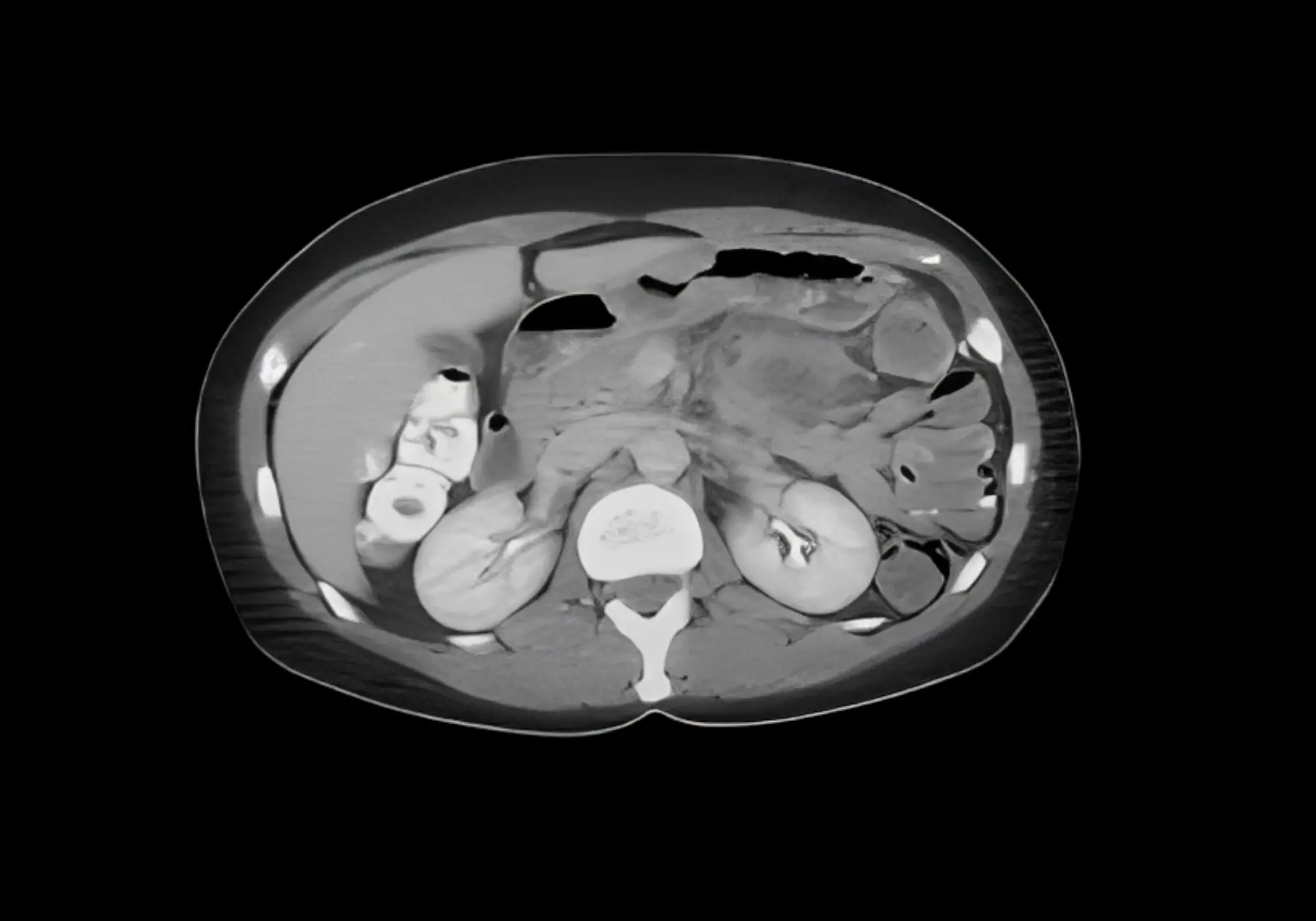
In partnership with Dr. Eugene Koay and Dr. Johannes Fahrmann at The University of Texas MD Anderson Cancer Center, and supported by seed funding from The Warren Y. Soper Charitable Trust, PCNA is funding a dynamic two-pronged approach:
Blood-Based Biomarkers
Analyzing archived blood samples from a high risk cohort of people with new-onset diabetes before their pancreatic cancer diagnosis to identify subtle biological signals and genetic markers that appear in the bloodstream long before symptoms show up.
AI-Driven CT Radiomics
Training artificial intelligence algorithms on standard CT scans to spot microscopic structural patterns in pancreatic tissue that are completely invisible to the human eye.
What The Future Will Look Like
By applying machine learning models to the massive repositories of blood and imaging data, we save years of research time and accelerate breakthroughs directly to patients
Strategic Rationale for Investment:
Expands Options Beyond Stage IV
Finding cancer in its earliest stages dramatically increases the number of patients eligible for surgery and cutting-edge treatments like mRNA vaccines.
Built for Real-World Healthcare
The strategy relies on routine imaging and standard blood work, avoiding expensive new equipment that health systems cannot easily afford.
Leverages a Decade of Data
By applying machine learning models to the massive repositories of blood and imaging data, we save years of research time and accelerate breakthroughs directly to patients.
Why Early Detection Matters Now More Than Ever
Every breakthrough we have funded—from mapping tumour genetics in COMPASS to studying non-invasive biomarker testing in Prosper-PANC—has brought us closer to changing the trajectory of pancreatic cancer. Yet even the most revolutionary therapies cannot save lives if patients are diagnosed too late to receive them.
By combining our rich investment history with our laser focus on early detection, we are closing the gap between discovery and survival. We are leveraging a decade of strategic investment to catch the disease at its very beginning. We are committed to ensuring future treatments reach patients when they have the greatest chance to save lives.

Expanding Patient Support
“Patients just want to advocate for our health, but some bureaucracies in the system are roadblocks. Time is crucial with a history of cancer... I appreciate how you and the organization help pancreatic patients advocate for our own health.”
PCNA Service User
“I knew how dire the diagnosis was for my brother…but what PCNA and group counselling gave me is that I knew, I could survive. It’s the families that are left behind that need to speak out, advocate, fundraise”
Donna Pettipas





The demand for this program continues to grow and reflects both the complexity of pancreatic cancer and the urgent need for timely, specialized guidance.
This program is only made possible because of our generous community.

When someone is first diagnosed with pancreatic cancer, they often feel overwhelmed, disoriented and filled with questions and uncertainty.
Most patients are diagnosed at an advanced stage and know they have limited time to make life-altering decisions about treatment and care which only adds to their stress.



Drive Awareness and Visibility
Alongside a bold strategic direction, you will notice a new look and feel. Across our platforms, events, and communications, we are bringing urgency and humanity to this work by centering the lived experiences of patients, caregivers, and their loved ones. Only those who have seen this cancer up close truly know what it looks and feels like, and it is precisely these voices that will change its trajectory. We have seen this in other cancers: when people come together to demand change, visibility rises, investment accelerates, and survival rates follow.
Our goal is to make it clear that this cancer is solvable and worthy of the same attention and investment that have transformed outcomes elsewhere.
Leigh Godbold, VP Philanthropy & Business Development, PCNA

Connor’s Playbook
In 2025, we partnered with Patient Advocate Jennifer Lovrics on the creation of Connor's Playbook. The playbook is an exceptional resource for pancreatic cancer patients and their families as they consider treatment options and clinical trials.
“Hope is powerful. It can turn a negative outcome into a positive one. Hope can make you live longer, it helped me. Hope gives you something positive to think about and act on. Don’t worry about being hopeful about something that ends up not working out. There’s no penalty for hoping and there’s no prize for guessing you’ll fail and then being right."
Connor Page
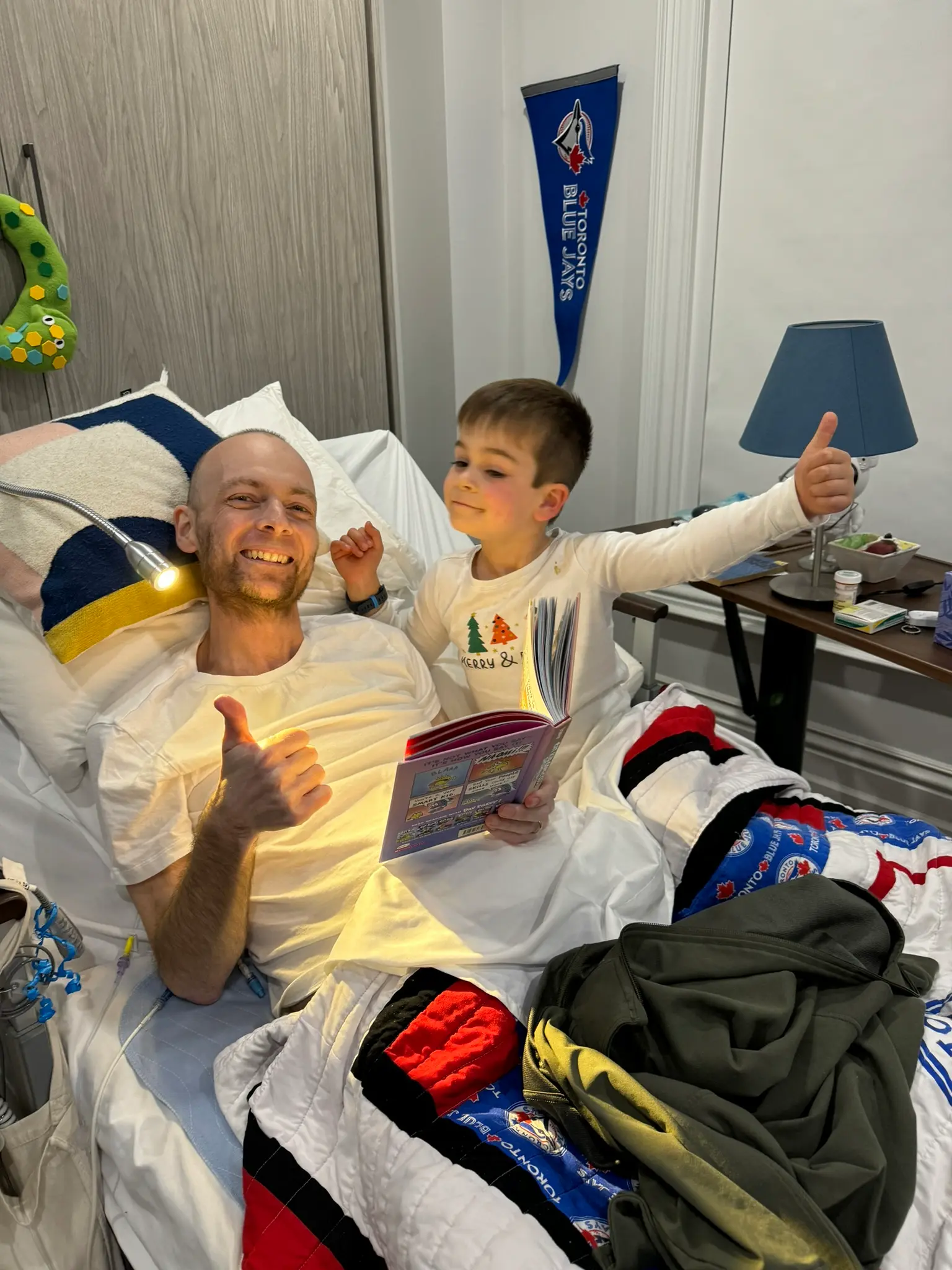




This is where our Pancreatic Support Hub program steps in.
The Pancreatic Support Hub provides personalized, one-on-one support to patients, caregivers and loved ones over the phone and email answering their questions around diagnosis, treatment options, clinical trials, symptom management, and even palliative care, if needed. Some patients and caregivers connect with one of our experts once or twice, whereas others will be in conversation with one of our experts for years as they move through different challenges.


“Thank you for all the information, help and care. It was a lifeline.”
Pancreatic Support Hub program participant
2025 Highlights:


“In this time when I feel like I am falling, waiting for help, it is so beyond appreciated that you are here.”
Pancreatic Support program participant
Growth requires a strong foundation.
Fulfilling our mission requires investment in both the work we deliver and the capacity that makes it possible. In 2025, we continued to strengthen the secure systems, governance and operational infrastructure essential to a transparent, accountable organization.
Alongside this, targeted fundraising and marketing investments expanded our visibility, reach and resources – enabling us to broaden our support for patients and families while advancing research and progress against pancreatic cancer
Our Leadership and Board of Directors
Our Leadership
Michelle Capobianco
Chief Executive Officer
Since 2016, Michelle Capobianco has led the critical growth of Pancreatic Cancer Canada (PCC) to become a charity with national scope, international influence, and fundraising power dedicated to demanding survival, not sympathy, for Canadians facing this devastating disease. Under her visionary leadership, PCNA has doubled its lifetime investment in pancreatic cancer research and overseen the creation of a first-of-its-kind collaborative network connecting top researchers across North America. While the charitable sector grappled with the COVID-19 pandemic, Michelle kept her eyes on the future, spearheading the development of Pancreatic Cancer North America, a sister organization to PCC based in the United States that takes a bold approach to improving pancreatic cancer treatment options and care through unexpected partnerships and collaborations. Prior to being with PCC, Michelle was a senior staff member of the MS Society of Canada, preceded by a long-term tenure with the Easter Seals Research Institute. At these organizations, she provided leadership on numerous national new business development ventures, resulting in revenues in excess of $1M per year and a clear increase in brand recognition, employee engagement and a positive charity affiliation for corporate partners.

Amanda Jodoin
Chief Operating Officer
Amanda joined the dream team at Pancreatic Cancer Canada in December 2017. Having spent 20+ years in the not-for-profit sector with incredible organizations like the MS Society of Canada and Three to Be, she brings knowledge, experience and insights that will help PCC elevate our outreach efforts and the achievement of our mission. Amanda is particularly committed to changing the outcomes for people affected by pancreatic cancer because she does not accept that this deadly disease receives a mere 2% of funding while 90% of people die within 5 years of being diagnosed. She is motivated by the PCC team and the people we serve who have been touched by pancreatic cancer to educate, advocate and raise much-needed funding for vital research.

Board of Directors
Jonathan Paul
Chair
One of the leaders of Ascendant Wealth Partners, Jonathan is a financial expert with nearly two decades of experience. Priding himself on a thorough, organized, and highly responsive approach, he is a trusted advisor on the finances of affluent families and foundations.
As an auditor for an international professional services firm, Jonathan developed an expert understanding of tax as well as his signature “no stone unturned” approach to client service, one he built upon as he gained further experience in investments and wealth management. Most recently, Jonathan served as a Vice-President of a leading Canadian wealth management boutique. Jonathan is a Chartered Professional Accountant (CPA, CA) and a Chartered Investment Manager (CIM). He holds a Bachelor of Business Administration degree (with distinction) from Ivey Business School at Western University.
Jonathan enjoys seeing the value he provides to people, a passion that extends beyond his work: Jonathan has been a member of Toronto Hebrew Memorial Parks investment committee for the past 10 years; as well, he has been involved with Pancreatic Cancer Canada since 2019, and currently chairs the non-profit’s board.
In his down time, Jonathan and his wife, Romy, get plenty of entertainment from their young daughters, Ava and Addison. Jonathan also likes to stay active, be it getting out on the golf course or playing men’s league hockey with the same group of guys he started out skating alongside as a child.

Michael Gilbert
Vice Chair
Michael is a Partner at Ernst & Young LLP, Canada with responsibility for leading the management and technology consulting businesses in Central Canada. He has over 25 years of experience managing, designing, implementing, and supporting complex process and technology solutions, providing senior executive oversight on some the largest transformation projects in North America.

Bryan Nese
Bryan Nese is an aspiring rock star and current partner in the DC office of the law firm of Mayer Brown LLP. Bryan’s practice focuses on high-stakes patent litigation, particularly in helping clients monetize patent portfolios large and small. Bryan has spoken in the U.S. and in Asia on U.S. patent law, trade secrets, and the nuances of Section 337 practice at the U.S. International Trade Commission. He has also donated hundreds of pro bono hours to asylum, special education, and child custody matters.
A former legal research/writing adjunct professor at the George Washington University Law School, Bryan has a passion for helping current students and recent grads avoid some of the mistakes he’s made. He regularly lectures on the topics of networking, legal writing, and how to succeed as a young attorney. Since 2019, he has mentored first-year law students through the Leadership Council on Legal Diversity’s mentoring program.
Bryan earned mechanical engineering degrees from Rowan University (B.S.) and the Pennsylvania State University (M.S.), and obtained his J.D. from the George Washington University Law School. In his sparse spare time, Bryan enjoys hobby boardgaming, cooking Italian food, and snowboarding while simultaneously not injuring himself.

Lauren Israel
Lauren Israel is Executive Director, Business Management at the Canadian Imperial Bank of Commerce (CIBC) in New York City. Her current responsibilities include coordinating employee giving, sponsorships and donations for the US Capital Markets team. Prior to her role with CIBC, Lauren held several positions at the Bank of America Merrill Lynch where she served as Director in several Technology departments over her 12 year tenure, including Global Markets and Risk Technologies, Legal and Compliance Technology and Finance Technology in New York and London. She obtained her Masters of Business Administration and Bachelor of Science at the University at Buffalo, with concentrations in finance and international business. Lauren has also been a dedicated volunteer on the United Way of New York City Campaign Council since 2017.

Russell Browne
Russell Browne is a Managing Director Sales and Structuring, Metals Trading FICC, providing metals risk management solutions and structures to clients in the Mining, Energy, Chemical and Institutional Investor sectors. Russell recently joined BMO in November 2018, having previously worked at Scotiabank (ScotiaMocatta) for 10 years, as a Director in Precious Metals Sales and Trading. Prior to working in metals, Russell worked 7 years in Currency Sales and Structuring. Russell began his career in Montreal, working as an open-outcry Pit Trader at the Montreal Exchange, trading futures on 5 and 10 year Canadian Bonds and 3 month Bankers Acceptances. Russell has a B.A. in Economics from Concordia University (Canada).

Robert S. Kukulka
Robert S. Kukulka is an accomplished global executive with more than three decades of experience in real estate, infrastructure finance, investment management, and capital markets. He is President of Silver Hills Partners, an advisory firm focused on connecting U.S. and Latin American infrastructure and real estate companies with institutional investors in the Middle East, providing strategic advisory and capital formation solutions. During his tenure at the Abu Dhabi Investment Authority (ADIA), he served as Global Head of Capital Markets and Deputy COO of the Real Estate and Infrastructure Division, where he directed financing strategies for a global portfolio and established a global credit investment platform across the U.S., Europe, and Asia. Earlier in his career, he held senior leadership positions at Merrill Lynch Capital, Heller Financial, and Prudential Mortgage Capital.
Mr. Kukulka also held significant leadership and governance responsibilities throughout his career. He chaired ADIA’s Real Estate and Infrastructure Executive Committee and served on the boards of more than numerous investment entities worldwide, including Vier Gas GmbH, owner of Open Grid Europe, one of Germany’s leading gas transmission operators. He holds an MBA in Finance from the University of Chicago Booth School of Business and a B.A. in Political Science from Williams College. In addition, he has been affiliated with the Graaskamp Center for Real Estate at the University of Wisconsin, the Mortgage Bankers Association, and the CRE Finance Council.


Stand with Us
Pancreatic cancer is at a turning point. Scientific breakthroughs are creating real momentum, but momentum is not the same as outcomes. PCNA exists to transform pancreatic cancer from one of the deadliest cancers into a disease that is detected earlier, treated more precisely, and ultimately survived.
Charitable Registration Number 84870 1967 RR0001